What Are Colorado Springs Construction Companies?
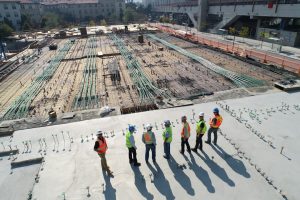
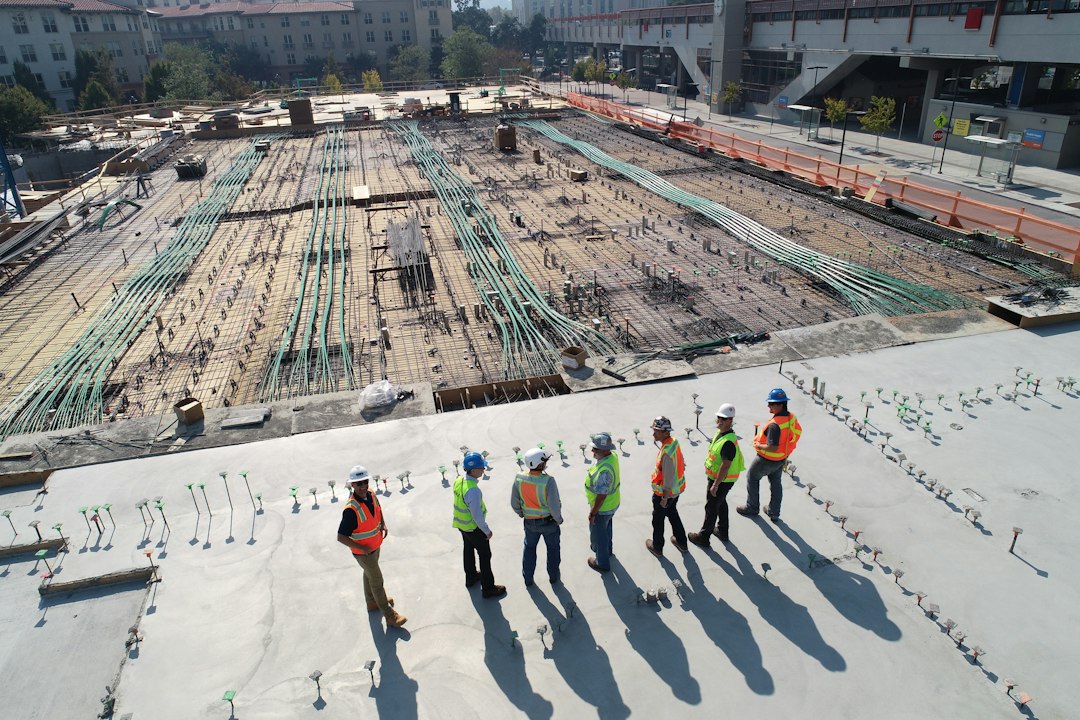
Construction companies in Colorado Springs are licensed contracting businesses that plan, manage, and complete building, renovation, or repair projects for residential and commercial clients in the Pikes Peak region. They range from solo handyman operators to large general contracting firms capable of managing multi-trade builds from the ground up.
There are three main categories to understand before you hire:
- General contractors — Oversee the full project, coordinate trades, and are your single point of contact for larger jobs like additions, remodels, or new builds.
- Specialty contractors — Focus on a single trade: electrical, plumbing, roofing, HVAC, or concrete. They work directly or as subcontractors under a general contractor.
- Full-service construction firms — Handle multiple trades in-house, which simplifies scheduling and accountability on complex projects.
Matching company type to project size matters. A small repair or punch-list task suits a handyman or specialty contractor. A kitchen remodel or basement finish warrants a general contractor or full-service firm. A ground-up new home build requires a licensed general contractor who can manage subcontractors, permits, and inspections start to finish.
On the licensing side, Colorado requires contractors to hold a valid license through the Colorado Department of Regulatory Agencies (DORA). Beyond state licensing, El Paso County has its own permit requirements that apply to most structural, mechanical, and electrical work in and around Colorado Springs.
What Types of Construction Services Do Colorado Springs Companies Offer?
Colorado Springs construction companies collectively offer services across new construction, remodeling, exterior work, commercial build-outs, and routine repairs — covering nearly every project a homeowner or property manager might need. Many firms handle several of these under one roof.
Common service categories include:
| Service Category | Examples |
|---|---|
| New home construction | Custom builds, spec homes |
| Home additions | Room additions, garage conversions |
| Interior remodeling | Kitchen, bathroom, [basement finishing](https://munsonconstructionllc.com/basement-finishing/) |
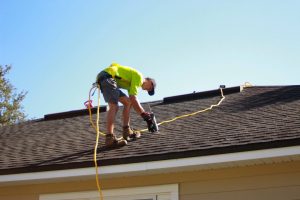
| Exterior work | Roofing, siding, fencing, [deck building](https://munsonconstructionllc.com/deck-contractors/) |
| Concrete work | Driveways, patios, flatwork |
| Repair and maintenance | Handyman repairs, drywall, painting |
| Commercial build-outs | Office fit-outs, retail construction |
Working with a company that handles multiple trades reduces the coordination burden on you. Instead of separately sourcing a framer, an electrician, and a finish carpenter, a full-service contractor manages the sequence and accountability internally.
Project scope ultimately drives the decision. A bathroom remodel or kitchen update may not require a full general contractor if the work stays within one or two trades. But once you’re moving walls, rerouting plumbing, and adding electrical circuits, a general contractor who can pull a single permit and manage inspections becomes the smarter hire.
How Do Local Conditions in Colorado Springs Affect Construction Projects?
Colorado Springs sits at roughly 6,000 feet elevation with a semi-arid climate, which affects material choices, foundation requirements, and project scheduling in ways that don’t apply at lower elevations elsewhere in Colorado or the country.
Freeze-thaw cycles are one of the most impactful local factors. Concrete and masonry work must be scheduled and mixed appropriately to resist repeated expansion and contraction. Foundations in El Paso County require specific depth and reinforcement to remain stable through seasonal ground movement. Exterior finishes — stucco, siding, paint — also take a harder beating here than in milder climates.
High-altitude UV exposure degrades roofing materials faster than manufacturers’ estimates written for sea-level conditions. Wind is another persistent factor on the Front Range, which influences both roofing material selection (weight, fastening methods) and the lifespan of painted or coated exterior surfaces.
Seasonal scheduling is a real planning constraint. Spring and summer are peak construction seasons in Colorado Springs. If you’re planning exterior work — a deck, a roof replacement, or a concrete driveway — getting on a contractor’s schedule early in the year is advisable. Winter weather can halt exterior work entirely, which needs to be factored into contracts and timelines upfront.
Finally, properties near the urban-wildland interface in the Pikes Peak region — particularly in the foothills west of the city — may face additional material code requirements tied to wildfire mitigation. Certain roofing materials, decking products, and exterior finishes may be restricted or required depending on fire zone designation. A locally experienced contractor will know which codes apply to your specific address.
What Licenses and Insurance Should Colorado Springs Construction Companies Have?
At minimum, a legitimate Colorado Springs construction company should hold a valid state contractor license through DORA, carry general liability insurance, and maintain workers’ compensation coverage for all employees. These three credentials protect you from financial and legal exposure if something goes wrong on your property.
Here’s what each credential actually covers:
- DORA license — Confirms the contractor has met Colorado’s competency and legal requirements to work on your type of project.
- General liability insurance — Covers property damage or bodily injury that occurs during the job. Without it, you could face a claim on your homeowner’s policy.
- Workers’ compensation — Protects you if a worker is injured on your property. Without it, you may be held liable.
- Bonding — Provides financial recourse if the contractor fails to complete the work or violates the contract terms.
Before signing any contract, ask for:
- The contractor’s DORA license number (verify it directly on the DORA website)
- A current certificate of general liability insurance
- Proof of workers’ compensation coverage
- Bonding documentation if applicable to your project size
The City of Colorado Springs and El Paso County both require permits for most structural, electrical, plumbing, and mechanical work. A reputable contractor will pull all required permits on your behalf. If a company suggests that you — the homeowner — pull the permit yourself, treat that as a serious warning sign. It shifts legal and liability responsibility onto you and may complicate your homeowner’s insurance coverage.
How Much Do Construction Projects Cost in Colorado Springs?
Construction costs in Colorado Springs vary widely by project type, materials, and company, but homeowners can use industry benchmarks as a starting point for budgeting. Always treat rough ranges as planning guides, not fixed quotes.
General cost ranges for common projects (verify with written quotes):
| Project Type | General Range |
|---|---|
| Bathroom remodel | $8,000 – $30,000+ |
| Kitchen remodel | $15,000 – $60,000+ |
| Basement finish | $20,000 – $55,000+ |
| Room addition | $40,000 – $100,000+ |
| Deck build | $8,000 – $30,000+ |
| Roof replacement | $7,000 – $20,000+ |
Several factors shift costs locally: labor availability in the Colorado Springs market fluctuates with construction demand, material supply chains can add lead times and cost during high-demand periods, and El Paso County permit fees vary by project value and type. Site conditions — slope, soil type, access — can also raise costs compared to a simple flat lot.
Get at least three written quotes and confirm that each one clearly specifies what’s included: materials, labor, permit fees, debris removal, and cleanup. Comparing quotes that have different scopes is comparing apples to oranges.
The lowest bid deserves scrutiny, not automatic preference. A contractor who prices well below competitors may be cutting corners on materials, skipping permits, or underinsured. Factor timeline reliability, warranty terms, and responsiveness into your decision alongside the number.
How Do You Choose the Right Construction Company in Colorado Springs?
Choosing the right Colorado Springs construction company means verifying credentials, reviewing local project experience, checking references, and comparing detailed written estimates before committing. Rushing this step is the most common reason projects go sideways.
Use this checklist when evaluating any contractor:
- Verify the DORA license number is current and matches the company name
- Confirm general liability insurance and workers’ comp are active
- Ask for bonding documentation on larger projects
- Request references from projects in Colorado Springs or El Paso County specifically
- Review a portfolio of completed work similar to your project — photos of past projects tell you a lot
- Confirm they will pull all required permits
- Ask how subcontractors are vetted — are they also licensed and insured?
- Clarify the payment schedule before signing (avoid contractors who want full payment upfront)
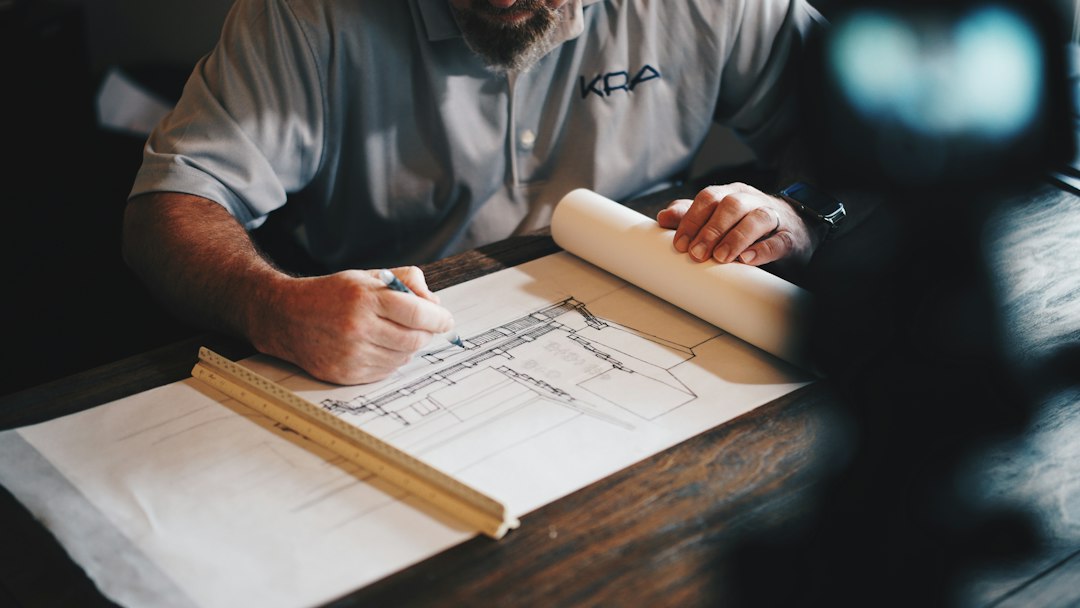
- Get a written contract with defined scope, timeline, and payment milestones
Check Google reviews and BBB standing for the company’s Colorado Springs reputation, not just testimonials on their own website. Ask specifically about their experience with El Paso County permit processes and local code requirements — a contractor who works here regularly will answer those questions without hesitation.
A clear, detailed written contract isn’t just paperwork — it’s your primary protection if a dispute arises over scope, timeline, or cost.
Why Choose Munson Construction LLC for Construction in Colorado Springs?
Munson Construction LLC is a Colorado Springs-based construction company offering a range of residential services — from general contracting and handyman repairs to fencing and remodeling — for homeowners across the Pikes Peak region. The company works locally, which means familiarity with El Paso County regulations, local material realities, and Colorado’s building conditions comes with the job.
Working with a locally rooted company has practical advantages. Munson Construction isn’t coordinating your project remotely — they’re embedded in the same community, subject to the same permit offices, and accountable to local clients and reputation.
The service range covers what most homeowners need without having to source multiple companies. Whether you’re looking for handyman repairs for smaller tasks, a kitchen remodel to update your home’s most-used space, or a larger general contracting engagement, the work gets managed under one roof with consistent communication.
Clear communication, defined scopes, and local accountability aren’t extras — they’re the baseline Munson Construction works to.
Ready to get started? Request a free estimate for your Colorado Springs construction project, or reach out directly through the contact page to discuss your scope.
FAQ
Do Colorado Springs construction companies need a permit for every project?
Not every project requires a permit, but most structural, electrical, plumbing, and mechanical work does. Minor cosmetic work — painting, flooring, cabinet replacement — typically doesn’t trigger a permit requirement. When in doubt, a reputable contractor will confirm the permit status for your specific project with El Paso County or the City of Colorado Springs before work begins.
How long does a typical construction project take in Colorado Springs?
Timeline varies significantly by project type. A bathroom remodel might take two to four weeks; a basement finish could run six to ten weeks; a room addition or new build may span several months. Local factors like permit approval timelines, material lead times, and seasonal weather — particularly for exterior work in winter — can extend schedules. Get an estimated timeline in writing before signing a contract.
What is the difference between a general contractor and a specialty contractor in Colorado Springs?
A general contractor manages the overall project, coordinates multiple trades, and holds the primary contract and permit responsibility. A specialty contractor focuses on one trade — roofing, electrical, plumbing, HVAC — and often works as a subcontractor under a general contractor or is hired directly for single-trade jobs. For multi-trade projects, a general contractor simplifies oversight; for single-trade work, hiring a specialty contractor directly can be more cost-effective.