What Is Patio Installation and What Does It Include?
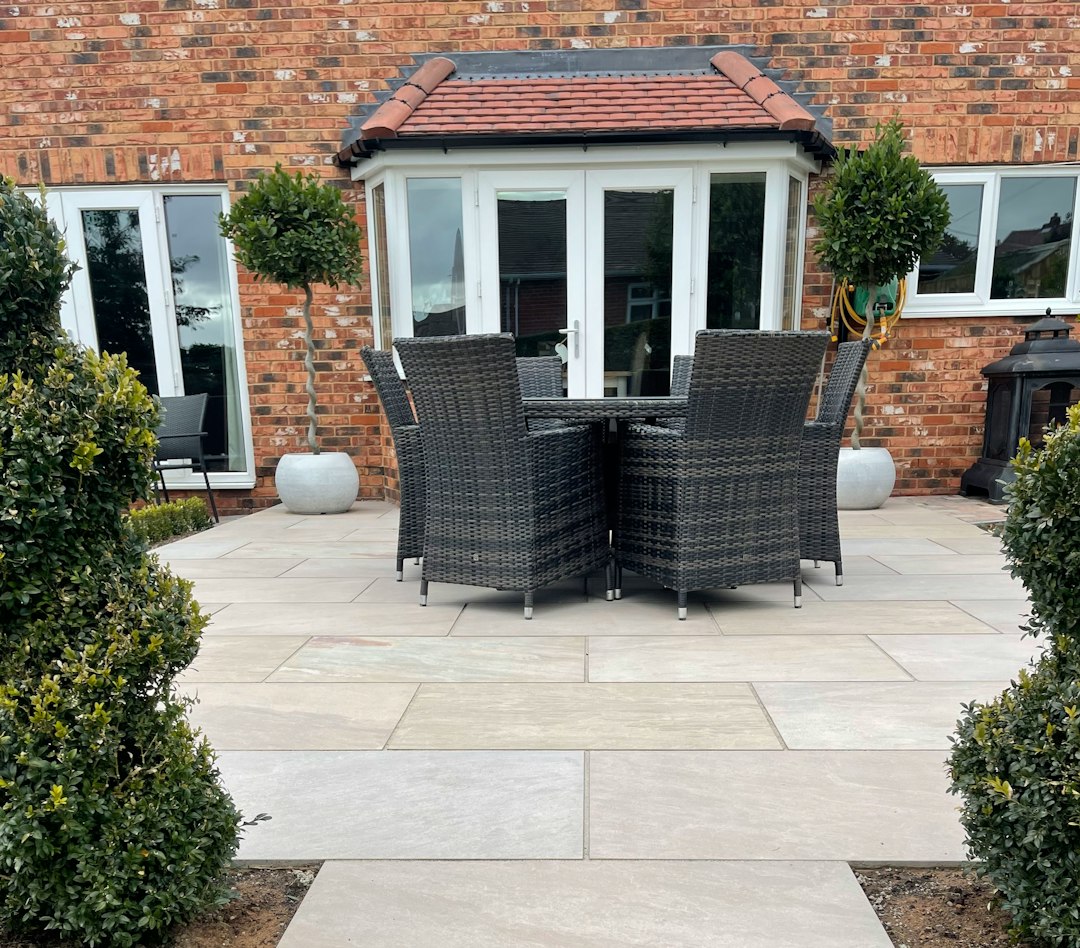
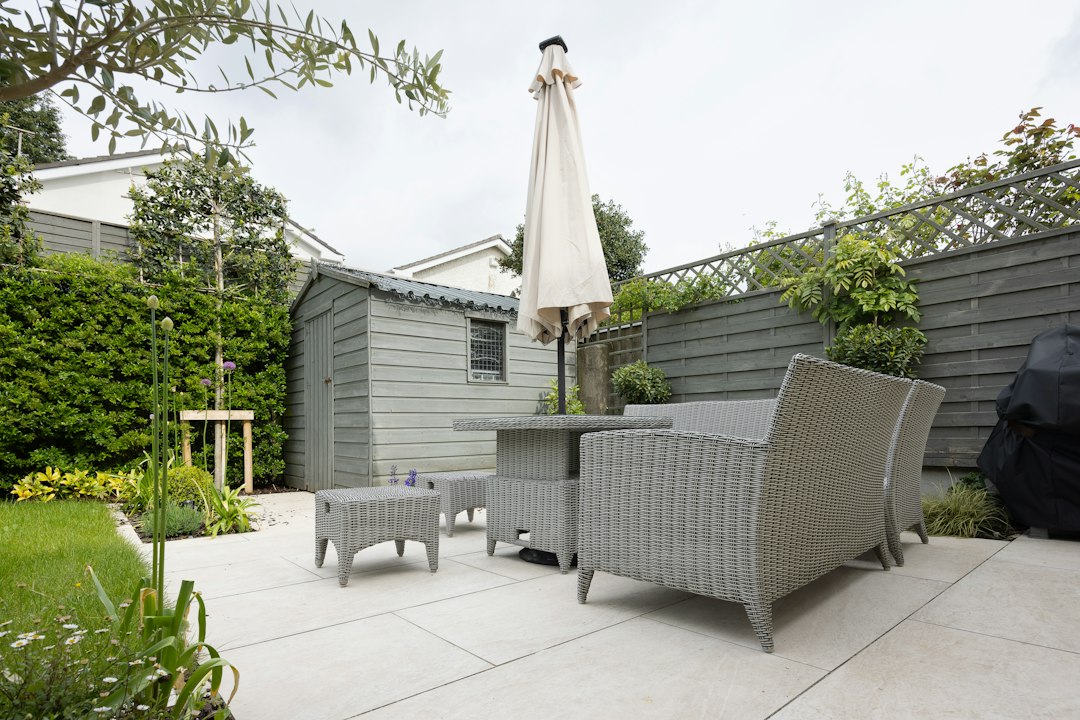
Patio installation is the process of designing, grading, and constructing a ground-level outdoor surface—typically using concrete, pavers, brick, or natural stone—to create a functional living or entertaining area attached to or near a home. It covers everything from the initial site assessment through the final sealing of the finished surface.
Patios vs. decks: A patio sits at or near ground level and is built on a compacted base directly on the earth. A deck is an elevated structure, usually framed with wood or composite lumber, and governed by different structural and permitting rules. If you’re weighing both options, comparing decks and patios side by side can help clarify which suits your yard and budget.
Core installation steps:
- Site assessment — measure the space, evaluate drainage, and identify utilities
- Grading and base preparation — excavate and compact a stable sub-base
- Material selection — choose the surface material based on budget, climate, and aesthetics
- Installation — lay pavers, pour concrete, or set stone
- Finishing and sealing — add edging, fill joints, and apply a protective sealer
Common patio materials at a glance:
- Poured concrete — cost-effective, smooth finish, requires control joints in cold climates
- Concrete pavers — interlocking units, easy to repair individually, wide style range
- Brick — classic look, durable, slightly higher labor cost due to pattern work
- Flagstone — irregular natural stone with a premium aesthetic and long lifespan
- Gravel composite — budget-friendly, permeable, best for informal or accent areas
How Much Does Patio Installation Cost Near Me?
Patio installation typically costs between $8 and $30 per square foot installed, depending on the material chosen. Local labor rates, site conditions, and finish details all affect the final number. A 300 sq ft patio can therefore range from roughly $2,400 on the low end to $9,000 or more for premium natural stone.
| Material | Avg. Cost/sq ft | Durability | Maintenance Level |
|---|---|---|---|
| Poured Concrete | $8–$12 | Moderate | Low |
| Concrete Pavers | $12–$20 | High | Low–Medium |
| Brick | $14–$22 | High | Medium |
| Flagstone | $18–$30 | Very High | Medium |
What drives the cost up or down:
- Total square footage — larger patios lower the per-foot cost
- Site grading difficulty — uneven or sloped yards require more excavation
- Drainage requirements — French drains or channel drains add to the budget
- Material chosen — natural stone costs significantly more than poured concrete
- Edging and sealing — finishing details add value but also add cost
Getting at least two or three itemized local quotes is the most reliable way to understand what patio installation near me actually costs in your specific neighborhood.
What Materials Work Best for a Patio in This Area?
In Colorado Springs and the surrounding Front Range communities, freeze-thaw cycles, clay-heavy soil, and occasional heavy rainfall make material selection and base preparation critically important. The wrong base depth or a non-frost-resistant material can lead to heaving, cracking, and costly repairs within a few seasons.
Concrete pavers perform especially well in this climate. Individual units can flex slightly with ground movement, and if one cracks or shifts, you replace just that piece rather than resurfacing the whole area. Proper bedding in compacted gravel and sand is essential for frost resistance.
Poured concrete is a strong choice for larger, budget-conscious projects, but it requires properly spaced control joints to manage cracking through freeze-thaw stress. Without them, surface cracks are nearly inevitable in Colorado winters.
Natural stone (flagstone, slate) offers the longest lifespan and holds up well in cold climates when set on an adequate base. The upfront cost is higher, but the material itself rarely fails if installed correctly.
A knowledgeable local contractor will specify the right sub-base depth—often 6 inches or more of compacted gravel in cold regions—and recommend the material that matches your soil conditions. For a closer look at concrete-specific options, our concrete driveway and patio installation page covers what the process looks like in the Colorado Springs area.
Do I Need a Permit for Patio Installation Near Me?
Most municipalities require a permit for patios above a certain size or those structurally attached to the home’s foundation. Requirements vary by city and county, so always check with your local building department before work begins. In many jurisdictions, a ground-level patio under a set square footage may be exempt, but that threshold differs widely.
A reputable local contractor will research permit requirements for your specific address and pull any required permits on your behalf. This protects you legally and ensures the work is inspected to code.
Don’t overlook your HOA. Many homeowners associations in communities around Colorado Springs require design approval before any exterior hardscaping begins. Skipping this step can result in forced removal of a completed patio.
Why permits matter beyond compliance: Unpermitted work can complicate a home sale, void homeowner’s insurance claims related to the structure, and create liability if the surface causes injury. It’s a small administrative step with significant long-term consequences.
How Long Does Patio Installation Take?
A standard 200–400 sq ft paver or concrete patio typically takes 2–5 days of active work, plus a cure time of 24–72 hours for poured concrete before the surface can handle foot traffic or furniture.
Typical day-by-day breakdown:
- Day 1 — utility marking, excavation, and compacted base preparation
- Days 2–3 — material installation (laying pavers, pouring concrete, or setting stone)
- Days 4–5 — edging installation, joint filling with polymeric sand or grout, and sealing
Factors that extend the timeline:
- Intricate patterns or custom cuts in natural stone
- Adding a drainage system beneath or alongside the patio
- Weather delays — rain can halt paver bedding, and heat speeds concrete curing unpredictably
Best seasons to schedule: Spring and fall are ideal in the Colorado Springs region. Mild temperatures support proper concrete curing and allow ground work without frost complications. Summer installation is workable but extreme heat can affect curing. Avoid scheduling during frozen ground conditions, which prevent proper compaction of the sub-base.
What Is the Patio Installation Process Step by Step?
From the first consultation to the final walkthrough, patio installation follows a clear six-step sequence: assess and design, prepare the site, build the base, install the surface material, add finishing details, and complete a homeowner walkthrough. Understanding these steps helps you evaluate contractor proposals and know what to expect on your property.
Step 1 — Consultation and design: Discuss size, shape, intended use, material preferences, and budget. A good contractor brings layout ideas and material samples to this meeting.
Step 2 — Site preparation: Mark underground utilities (always required before digging), excavate to the required depth, and establish the correct slope—typically a 1–2% grade away from the home—for drainage.
Step 3 — Base layer: Compact a gravel sub-base, typically 4–6 inches in standard climates and deeper in frost-prone regions, to prevent settling and shifting.
Step 4 — Material installation: Lay pavers in the chosen pattern, pour and screed concrete, or set and level natural stone. This is the most labor-intensive phase.
Step 5 — Finishing: Install perimeter edging to hold materials in place, fill joints with polymeric sand or grout, and apply a penetrating sealer appropriate to the material.
Step 6 — Cleanup and walkthrough: The crew removes all debris, and the contractor walks the finished patio with you to confirm quality and explain maintenance.
How Do I Choose the Right Patio Installation Contractor Near Me?
Look for a licensed, insured contractor with verified local reviews, a portfolio of completed patios, and willingness to provide a written, itemized estimate. Anyone who resists putting the scope in writing is a contractor worth avoiding.
Homeowner checklist before signing:
- Verify general liability insurance and workers’ compensation coverage
- Ask for references from local patio projects specifically
- Confirm the contractor will pull required permits
- Request a written contract that includes the timeline, payment schedule, and material specs
- Review their completed work in a project gallery if available
Red flags to watch for:
- An unusually low bid with vague or missing scope details
- No written contract offered
- A large upfront cash payment demanded before work begins
Why local experience matters: A contractor familiar with the Colorado Springs area understands regional frost depth requirements, the clay soil common to the Front Range, and the permit processes at local building departments. That knowledge reduces delays and improves the quality of material recommendations.
Munson Construction LLC brings that local experience to every project—from initial design through final sealing—as a licensed and insured team serving Colorado Springs and surrounding communities. Request a free estimate to get a written proposal with no pressure.
Why Choose Munson Construction for Patio Installation Near You?
Munson Construction offers full-service patio installation from design consultation through final finishing, with a team that understands the specific demands of Colorado’s climate and soil conditions. Whether you’re considering concrete pavers or natural stone, the process starts with a no-obligation site visit.
Here’s what happens when you reach out:
- A team member contacts you to schedule a site visit at your convenience
- We assess the space, discuss your goals and material preferences, and measure the area
- You receive a written, itemized proposal—no vague estimates, no surprise costs
Beyond patios, Munson handles a wide range of outdoor and interior projects across the region. If you’re looking for additional improvements alongside your patio, our handyman services and general contracting work can be coordinated under one roof.
Call or request a free quote today to get your patio project started.
FAQ
How do I know if my yard is suitable for a patio?
Most yards can accommodate a patio with the right site preparation. The key factors are drainage, slope, and soil stability. A contractor will assess these during the initial site visit and recommend grading adjustments or drainage solutions if needed before installation begins.
Can a patio be installed in the winter?
In most cases, no. Frozen ground cannot be properly compacted, which compromises the sub-base and leads to settling once the ground thaws. Concrete also requires temperatures above freezing to cure correctly. Late spring through early fall is the reliable installation window in Colorado’s climate.
How long will a new patio last?
With proper installation and routine maintenance, concrete pavers and poured concrete patios commonly last 25–50 years. Natural stone can last even longer. The biggest variables are base preparation quality, the freeze-thaw severity of the local climate, and whether the surface is sealed and maintained as recommended.